










;void(0) "pinterest")
Your face shape can be a useful starting point when choosing eyeglass frames, but it is not a strict fitting rule. Round, square, oval, cat-eye, aviator and geometric frames can create different visual effects depending on the shape and proportions of your face.
The best glasses for you should also consider frame size, bridge fit, temple length, comfort and personal style . If you already have a pair of glasses that fits well, comparing its measurements with a new frame can be more useful than choosing by face shape alone.
Quick tip: Face-shape recommendations are styling suggestions rather than fixed rules. Choose frames that fit comfortably and give you the appearance you prefer.
Face Shapes and Frame Ideas at a Glance
| Face Shape | Common Characteristics | Frame Ideas to Try |
|---|---|---|
| Oval | Face length is generally greater than width, with softly curved features. | Round, oval and cat-eye frames are some styles you may want to try. |
| Round | Face length and width are relatively similar, with softer curves and a rounded jawline. | Square, rectangle and oval frames can create different levels of visual contrast. |
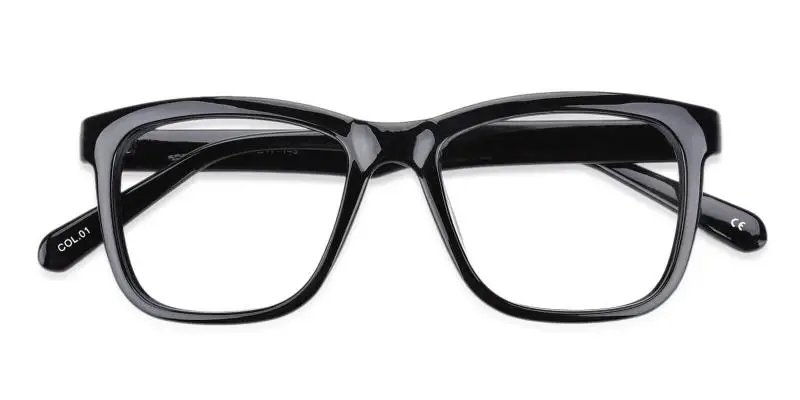
| Square | Forehead, cheekbones and jawline may appear relatively broad with more angular contours. | Round, oval and aviator frames can introduce softer or more curved lines. |
| Diamond | Cheekbones are often the widest part of the face, with a narrower forehead and jawline. | Cat-eye, oval and geometric frames can emphasize different features around the eyes and cheekbones. |
Glasses for an Oval Face Shape
An oval face generally has balanced proportions, with the face appearing longer than it is wide and the forehead and jawline having relatively soft contours.
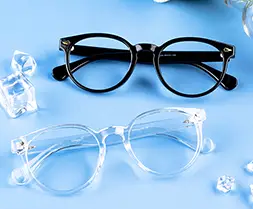
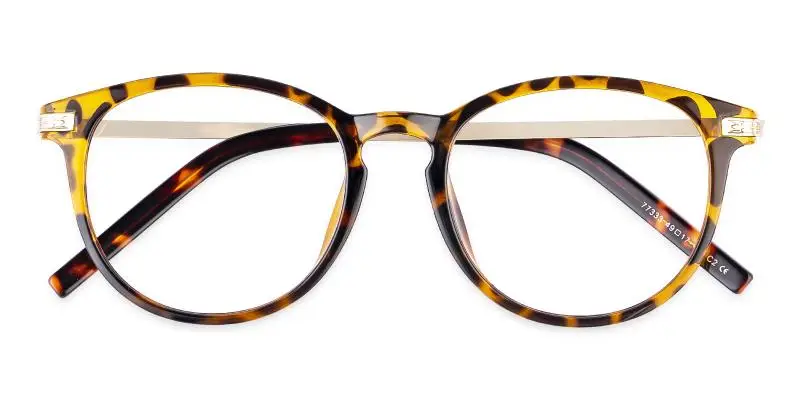
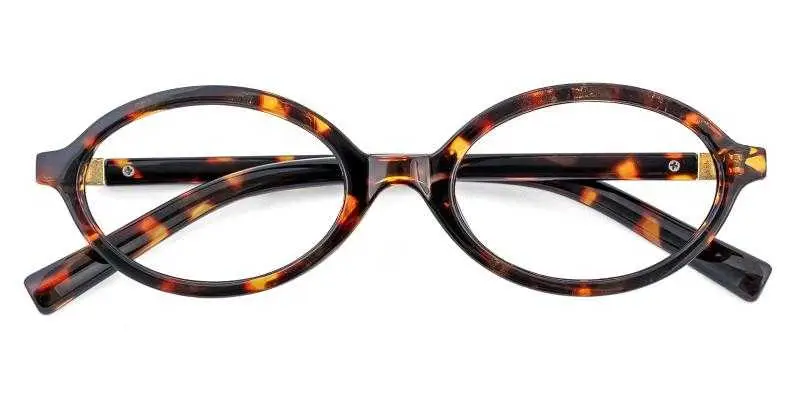
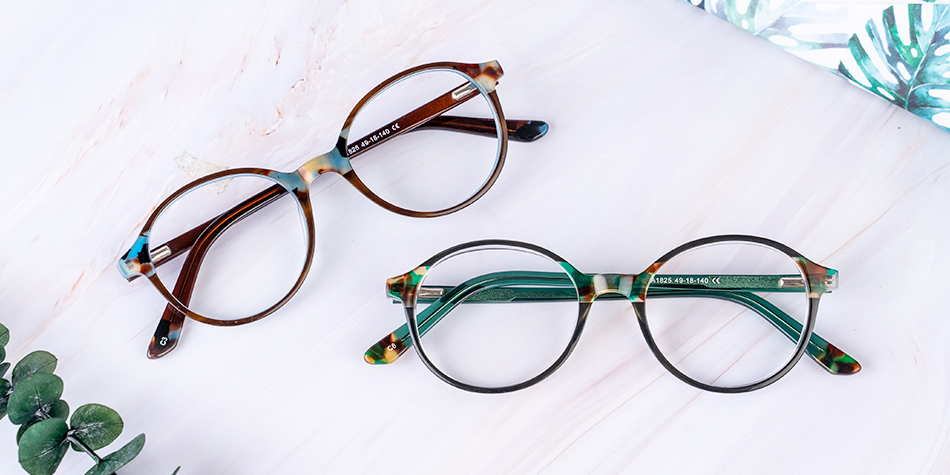
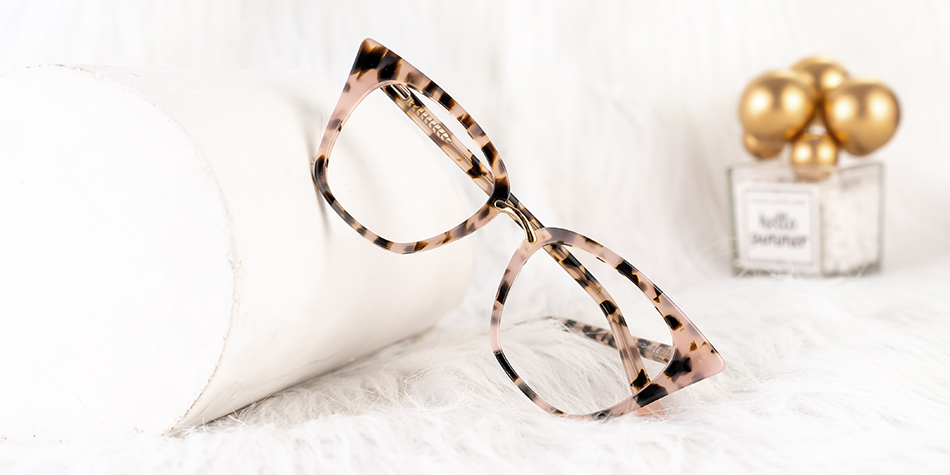
Many frame shapes can work visually with an oval face. You might try round or oval frames for a softer look, or cat-eye frames if you prefer more definition around the upper part of the frame.

Glasses for a Round Face Shape
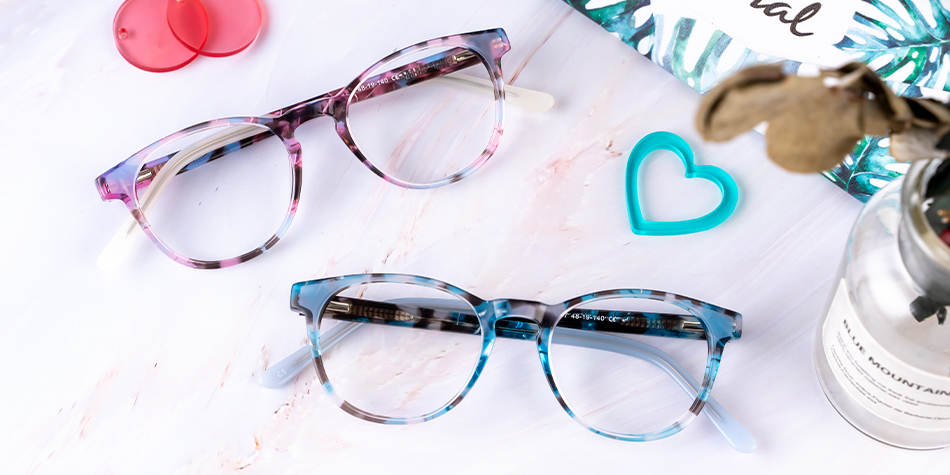
A round face generally has a similar face length and width, with softer curves, fuller cheeks and a rounded jawline.
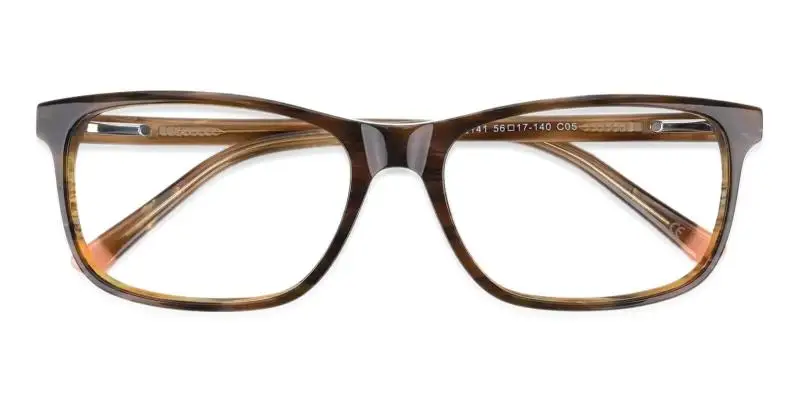
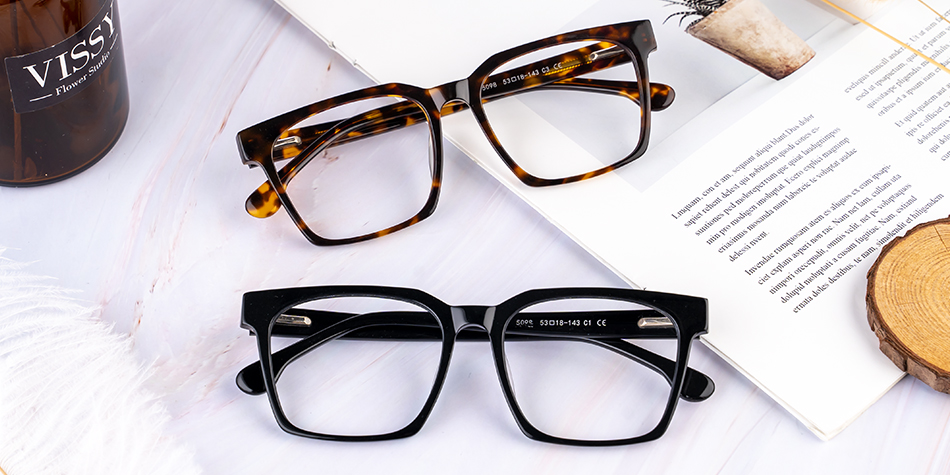
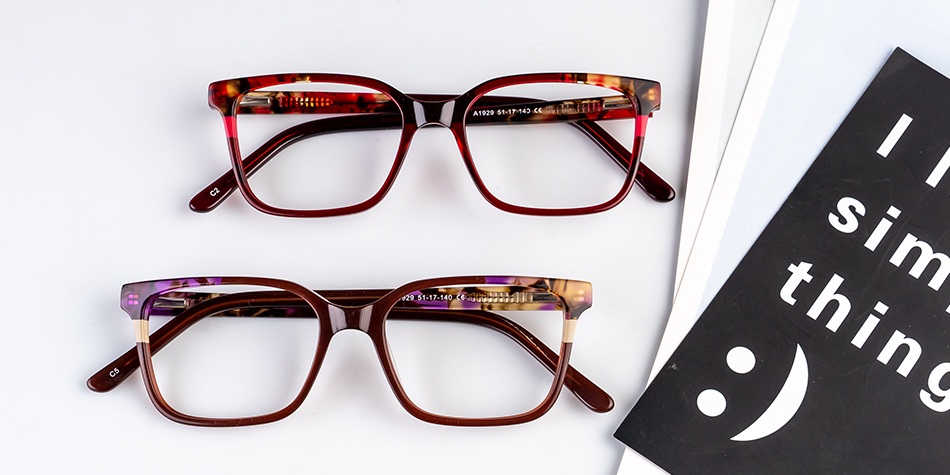
If you want more visual contrast with these curved features, square or rectangular frames are styles worth trying. Oval frames can provide a softer alternative.

Glasses for a Square Face Shape
A square face generally has more angular contours, with the forehead, cheekbones and jawline appearing relatively broad and similar in width.
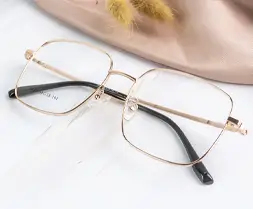
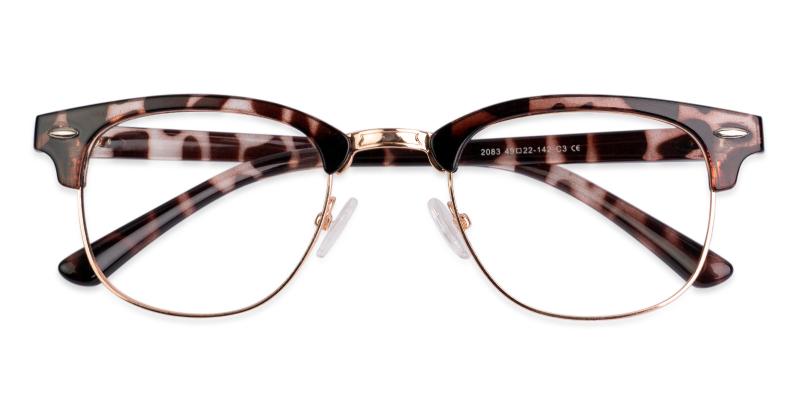
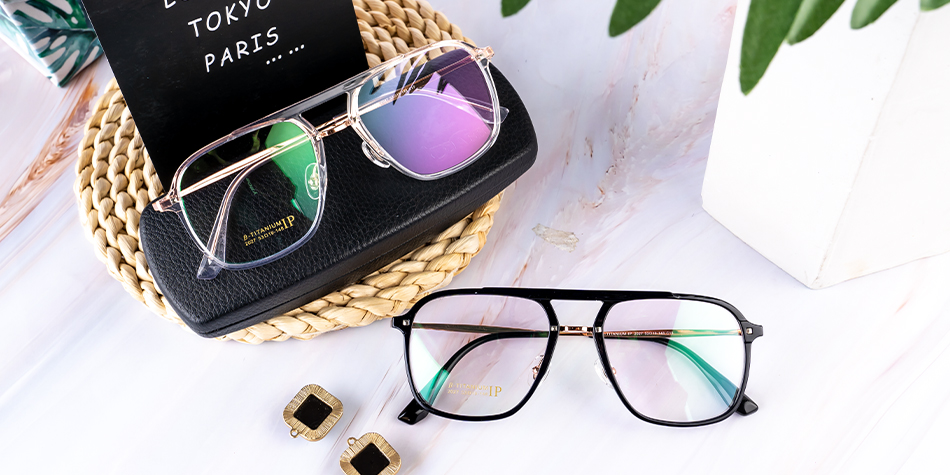
Round and oval frames can create contrast with more angular facial lines. Aviator frames are another option if you prefer a shape that combines curves with a wider upper frame.

Glasses for a Diamond Face Shape
A diamond-shaped face generally has prominent cheekbones with a narrower forehead and jawline. The cheekbones are often the widest part of the face.
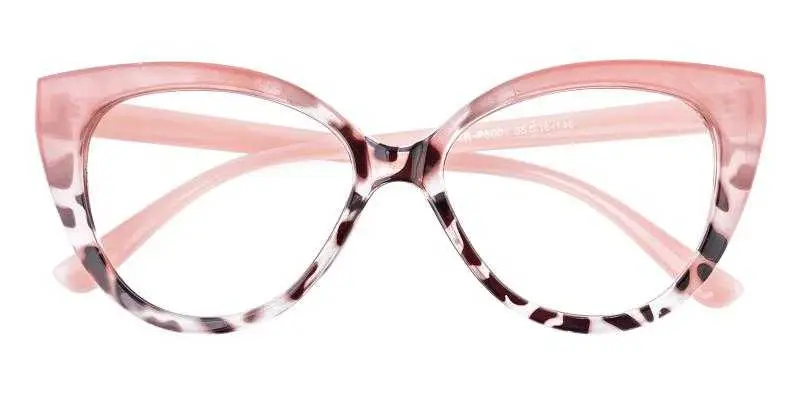
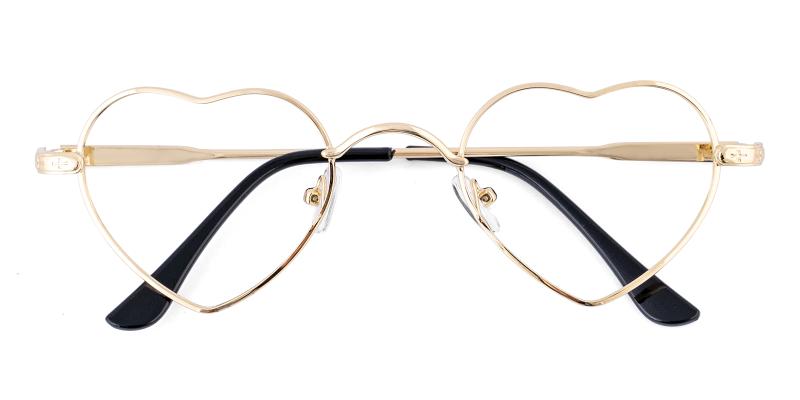
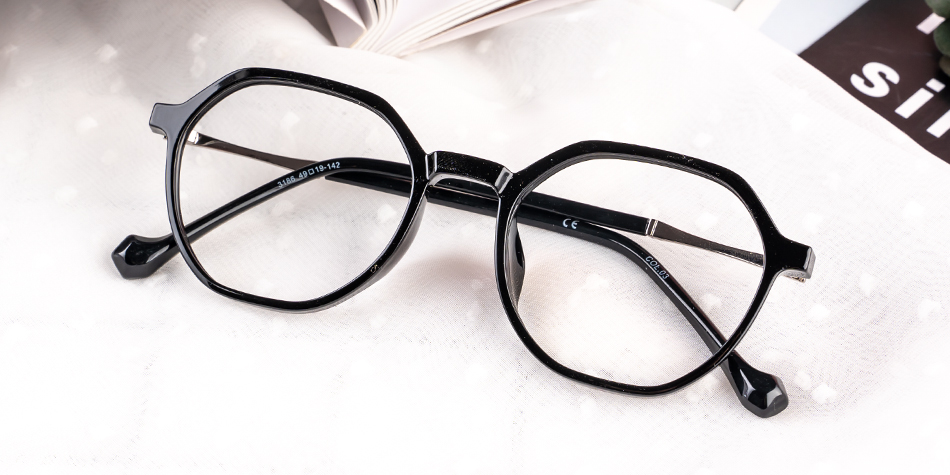
Cat-eye frames can emphasize the upper part of the face, while oval frames provide softer curves. Geometric frames are another option if you prefer a more distinctive, angular style.

Face Shape vs. Frame Fit: What Matters More?
Face shape is mainly a styling reference. For everyday comfort, the physical fit of the frame is also important.
- Frame width: helps determine how the frame sits across the face.
- Bridge fit: affects how the glasses sit on your nose.
- Temple length: affects how the arms extend toward and behind your ears.
- Lens width and height: affect the overall proportions and appearance of the frame.
- Personal preference: helps determine which shape, color and style you enjoy wearing.
For help comparing frame measurements, see How to Measure Your Frame Size .
