



























Conjunctival concretions are often called “eye stones,” but they are not true stones. They are small yellow-white deposits that can develop on the inner surface of the eyelid. Many people have no symptoms and only learn about them during an eye examination.
What Are Conjunctival Concretions?
Conjunctival concretions are small deposits beneath the lining of the eyelid, known as the palpebral conjunctiva. They may occur singly or in groups. They can be associated with aging or long-standing inflammation of the eyelid or conjunctiva.
A concretion that remains beneath the surface may not be noticeable. If it becomes exposed, it can cause irritation, a gritty feeling, tearing, or the sensation that something is in the eye. Only an eye-care professional can determine whether these symptoms are caused by a concretion or by another eye condition.
Possible Symptoms
Conjunctival concretions may not cause any symptoms. When symptoms occur, they can include:
- A gritty or foreign-body sensation
- Mild eye irritation or tearing
- Discomfort when blinking
- Localized redness or irritation
Why an Eye Examination Matters
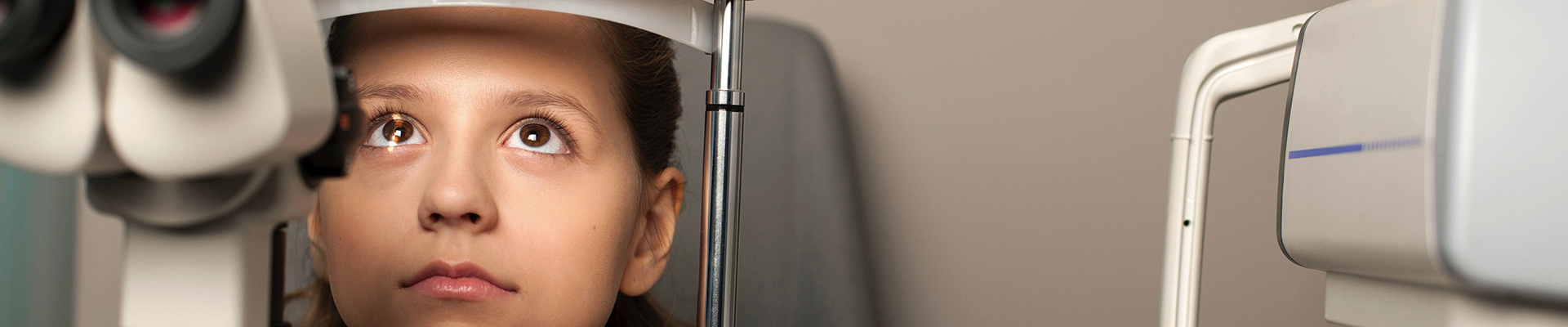
Eye discomfort, redness, and a gritty feeling can have many causes. An optometrist or ophthalmologist can examine the eyelid and eye surface, confirm whether conjunctival concretions are present, and check for related inflammation or other conditions.
Do not attempt to remove a visible deposit yourself. Home removal can scratch the eye or introduce infection. If a concretion is causing persistent discomfort, an eye-care professional can advise whether treatment or removal is appropriate.
Everyday Eye-Care Habits
Do Not Rub Your Eyes
Avoid rubbing your eyes, especially when they feel irritated. If something enters the eye, rinse with clean water or sterile saline where appropriate. Seek professional advice if discomfort continues.
Follow Contact Lens Hygiene Guidance
If you wear contact lenses, follow the cleaning, replacement, and wearing instructions provided by your eye-care professional and the lens manufacturer. Remove lenses and seek advice if you develop pain, significant redness, or changes in vision.
Manage Ongoing Eye Symptoms
Persistent dryness, itching, redness, or irritation deserves professional assessment. Avoid relying on self-diagnosis, because similar symptoms can result from different eye conditions.
When to Seek Urgent Eye Care
Seek urgent medical or eye-care advice if you have severe eye pain, marked redness, sensitivity to light, sudden blurred vision or other vision changes, an eye injury, or a feeling that something is stuck in the eye. These symptoms can have causes other than conjunctival concretions and may require prompt assessment.
Frequently Asked Questions
What are conjunctival concretions?
Conjunctival concretions are small yellow-white deposits that can develop on the inner surface of the eyelid. They are often called eye stones, although they are not true stones. Many are found during an eye examination and do not cause symptoms.
Do conjunctival concretions need treatment?
Treatment is often unnecessary when conjunctival concretions do not cause symptoms. If a deposit causes persistent irritation or a foreign-body sensation, an eye-care professional can assess whether removal or treatment of an underlying eye condition is appropriate. Do not try to remove a deposit yourself.
When should I seek urgent eye care?
Seek urgent eye care for severe eye pain, marked redness, sensitivity to light, an eye injury, sudden vision changes, or a feeling that something is stuck in the eye. These symptoms can have causes other than conjunctival concretions and need prompt assessment.
