








Lens Index
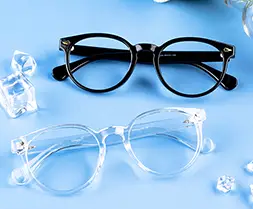
A higher lens index can reduce lens thickness for stronger prescriptions. Final thickness also depends on the prescription, pupillary distance, frame size and shape, and lens design.


With extensive experience in eyewear manufacturing and lens processing, ABBE Glasses offers a wide range of prescription lens options for different vision needs. Each order is produced according to the prescription and lens selections provided during checkout.
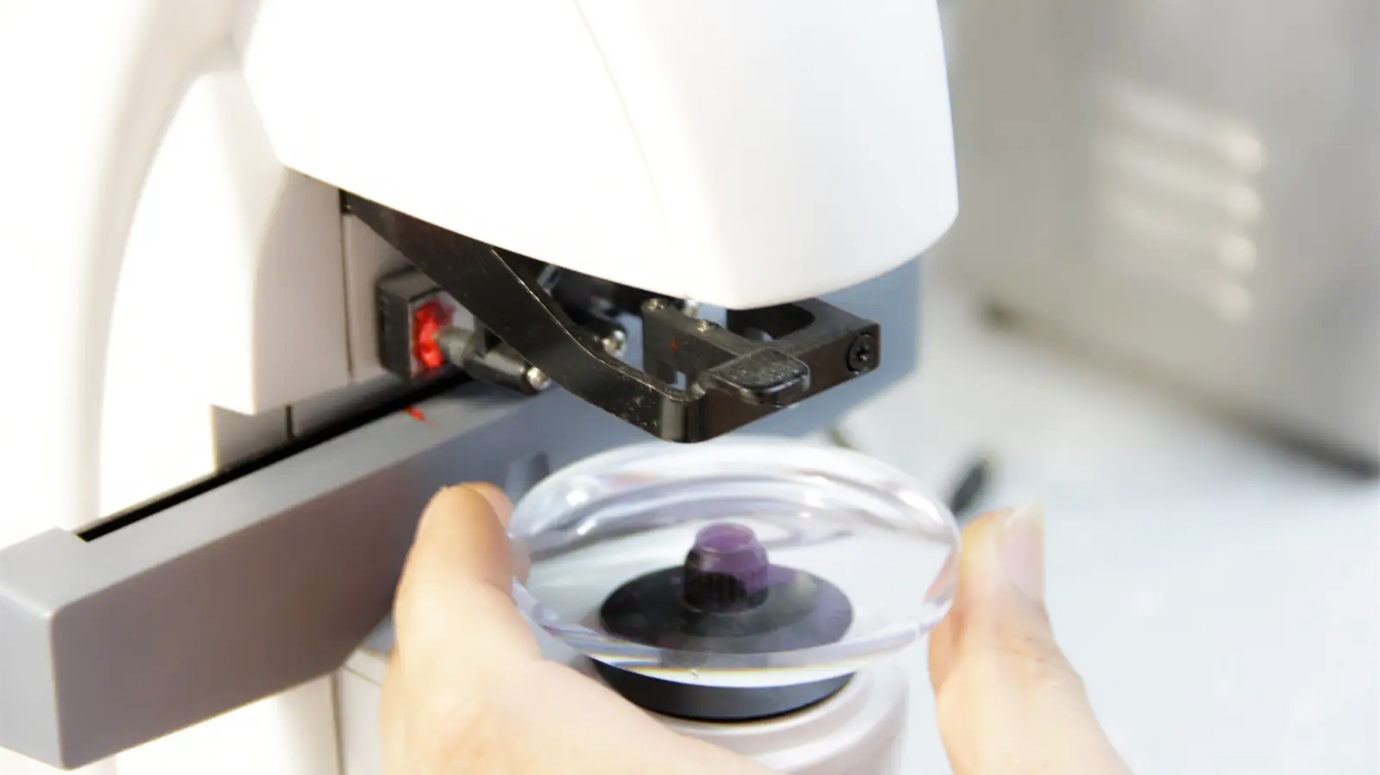
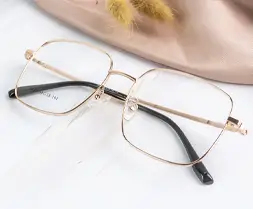
Not sure which lens type matches your prescription? The options below explain the most common types of prescription lenses and the vision needs they are designed to address.

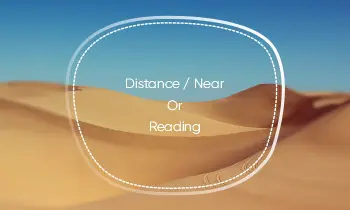
Single-vision distance lenses can correct myopia. On an eyeglass prescription, the sphere (SPH) value for myopia usually begins with a minus sign (−).
Learn More >>
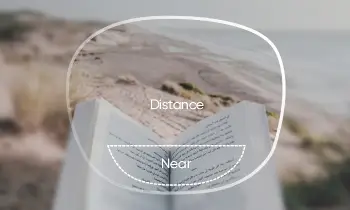
Bifocal lenses combine distance vision correction in the upper portion with near vision correction in a lower segment. Prescriptions for bifocals usually include an ADD value.
Learn More >>
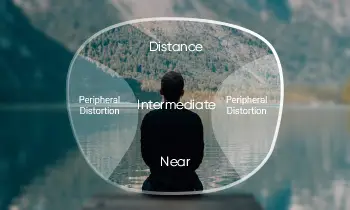
Progressive lenses provide a gradual transition between distance, intermediate, and near vision without the visible segment line found in traditional bifocals.
Learn More >>
Reading lenses are designed to support near vision, such as reading small print or viewing a phone. The correct lens power should be selected from your prescription or eye-care guidance.
Learn More >>
Prism lenses redirect light before it enters the eye and may be prescribed for certain binocular vision or double-vision conditions. Prism values should be entered exactly as written on the prescription.
Learn More >>
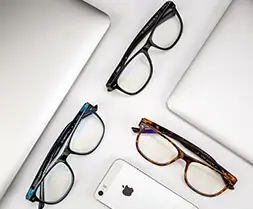
Gaming and computer lens options can include blue-light filtering or anti-reflective features intended to improve visual comfort during extended screen use.
Learn More >>Lens coatings and enhancements can add durability, reduce reflections, change lens color, or improve performance in specific lighting conditions.
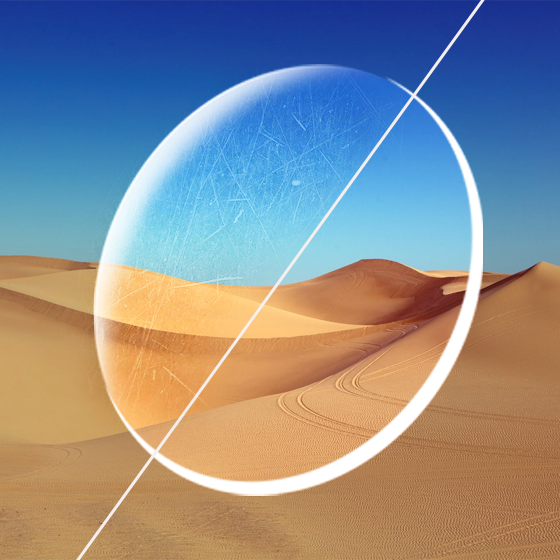
A scratch-resistant coating helps protect lenses from minor everyday wear. It improves durability, but it does not make lenses completely scratch-proof.
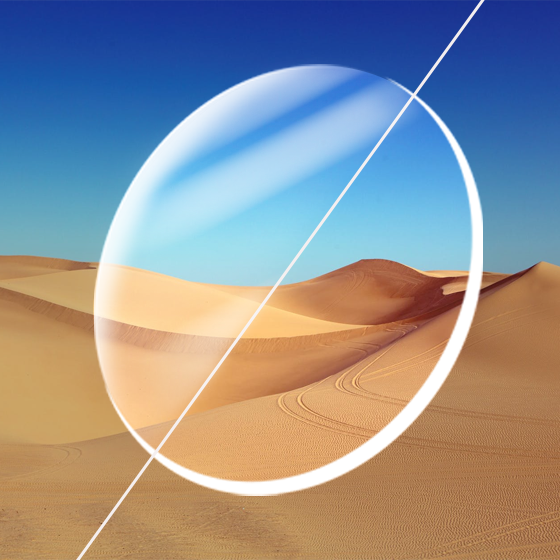
Anti-reflective coating, also called AR or anti-glare coating, reduces reflections from the lens surfaces and can improve clarity, especially in low-light conditions.

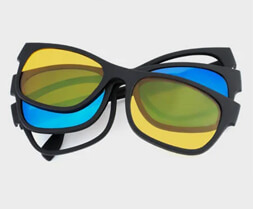
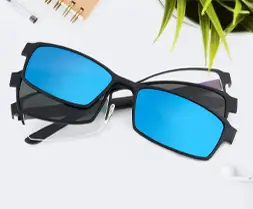
Tinted lenses add color to prescription or non-prescription lenses. Available colors and tint depths depend on the selected lens material and option.

Photochromic lenses darken when exposed to ultraviolet light and return toward clear indoors. They are convenient for customers who frequently move between indoor and outdoor environments.

Polarized lenses reduce reflected glare from surfaces such as roads, water, and snow, making them a popular option for driving and outdoor activities.
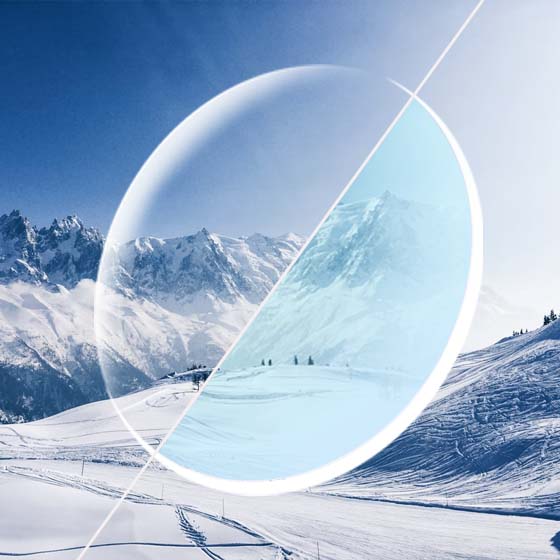
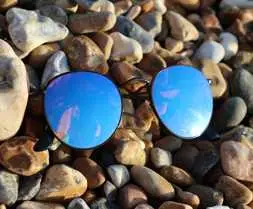
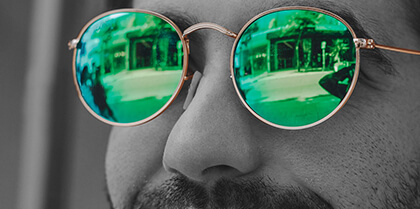
Mirrored lenses use a reflective surface treatment to reduce the amount of visible light entering the eyes. They are commonly selected for bright outdoor conditions and sports.

A higher lens index can reduce lens thickness for stronger prescriptions. Final thickness also depends on the prescription, pupillary distance, frame size and shape, and lens design.
