






















Small white spots on glasses lenses can be frustrating, especially when they return soon after cleaning. The spots may come from ordinary surface residue, dust, lens-coating damage, or material transferred from the eyelid area. A spot on the lens by itself cannot confirm a medical cause.
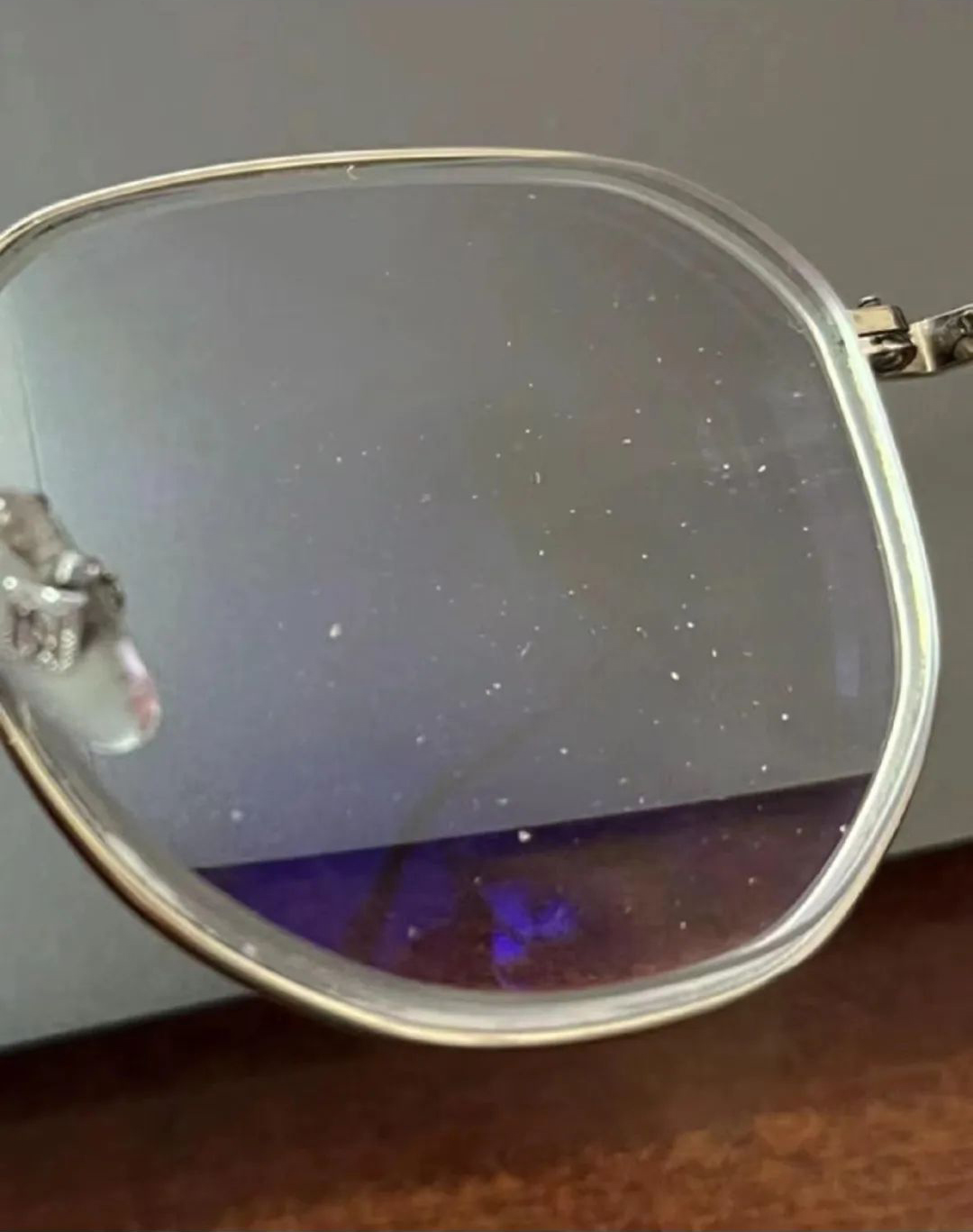
Common Reasons for White Spots on Glasses Lenses
White marks can look similar even when they have different causes. Start by checking whether the spots are on the front or back of the lens, whether they wipe away completely, and whether the lens surface feels smooth.
- Dried residue: Water droplets, skin oils, cosmetics, sprays or cleaning products can leave marks after drying.
- Dust or airborne particles: Small particles can collect on lenses during everyday wear.
- Lens-surface damage: Scratches or coating wear can look cloudy or dotted and may not disappear with cleaning.
- Eyelid debris: Flakes or oils from the eyelid area can transfer to glasses, particularly when eyelids are irritated or crusty.
Could Eyelid Debris Be the Cause?
Blepharitis is an inflammatory eyelid condition that can cause red, itchy or irritated eyelids, along with flakes or crusting around the eyelashes. Those flakes or oils may transfer to eyeglass lenses. However, small white spots on lenses do not by themselves mean that you have blepharitis.
If you also notice persistent eyelid redness, itching, burning, crusting, a gritty feeling, dry eyes or recurring irritation, arrange an eye examination. A professional can determine whether blepharitis, dry eye, allergy or another condition may be involved.
How to Clean Glasses Lenses Safely
- Wash your hands before touching the lenses.
- Rinse the lenses with lukewarm water to remove loose particles.
- Use a lens cleaner that is suitable for your lenses.
- Dry the lenses with a clean microfiber cloth.
- Inspect the lenses in good light after cleaning.
Avoid abrasive fabrics, paper products, and household cleaners that are not designed for eyeglass lenses. If the marks remain after careful cleaning, ask an optical provider whether the lens surface or coating needs inspection.
When to Seek Eye-Care Advice
Book an eye-care appointment if you have ongoing eyelid irritation, redness, itching, flakes around the eyelashes, discomfort, or symptoms that continue despite basic eyelid hygiene. Seek urgent care for eye pain, marked redness, sensitivity to light, sudden blurred vision or other vision changes.
Looking After Your Lenses and Eyelids
Clean your glasses regularly and use lens products appropriate for your lens material and coatings. If you wear contact lenses or use eye makeup, follow the hygiene guidance provided by your eye-care professional and stop using products that cause irritation until you have received advice.
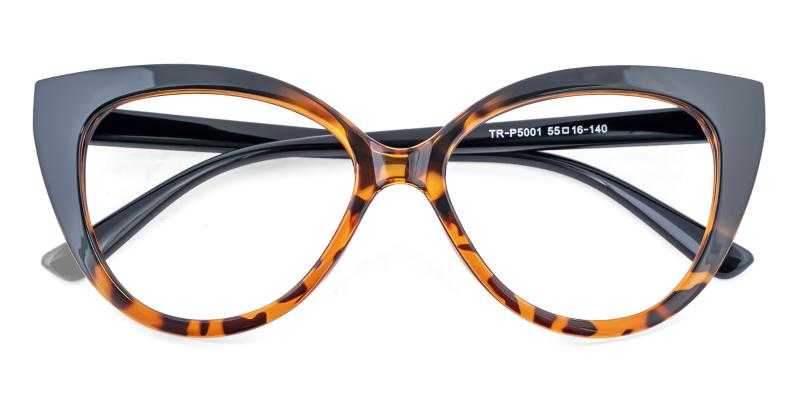
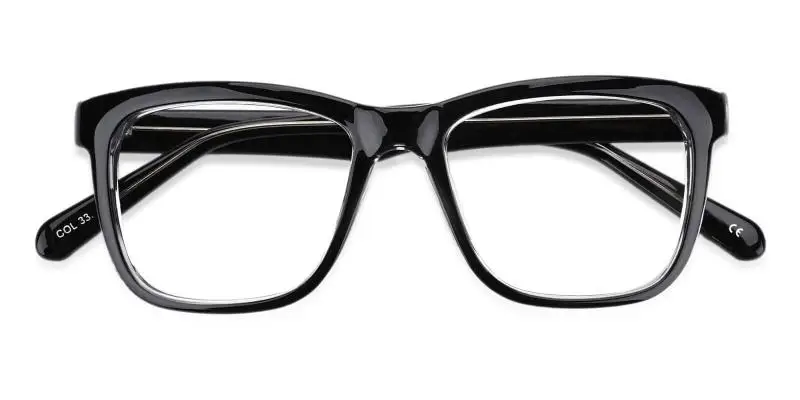
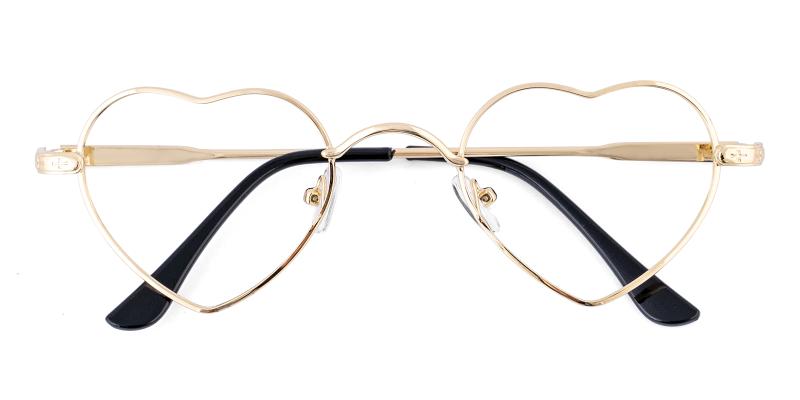
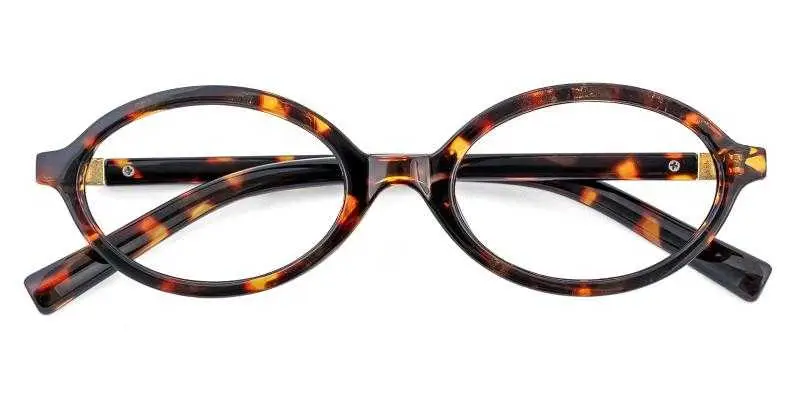
For prescription lens and frame options, explore prescription eyeglasses. This product link is for shopping guidance only and is not a treatment for eyelid or eye conditions.
Frequently Asked Questions
What causes small white spots on glasses lenses?
Small white spots can be caused by dried residue, dust, cleaning-product residue, surface scratches or coating damage. In some cases, flakes or oils from the eyelid area may transfer to lenses. A spot on a lens alone cannot identify the cause.
Can blepharitis cause debris on glasses lenses?
Blepharitis can cause flakes or crusting around the eyelashes and eyelid margins, which may transfer to glasses. However, white spots on lenses are not enough to diagnose blepharitis. An eye-care professional can assess persistent eyelid irritation, redness, itching or crusting.
How should I clean white spots from glasses lenses?
Rinse lenses with lukewarm water, use a lens cleaner suitable for your lenses, and dry them with a clean microfiber cloth. Avoid abrasive materials or household cleaners that may damage lens coatings. If marks remain after proper cleaning, ask an optical provider to inspect the lenses.
When should I see an eye-care professional?
Seek eye-care advice for persistent eyelid redness, itching, crusting, discomfort, pain, sensitivity to light or changes in vision. These symptoms may have causes other than lens residue and should be assessed when they continue or worsen.
